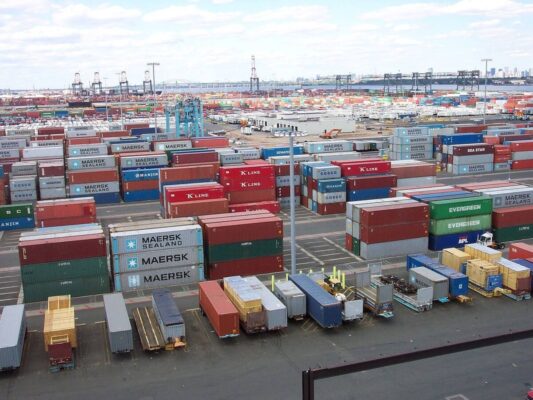
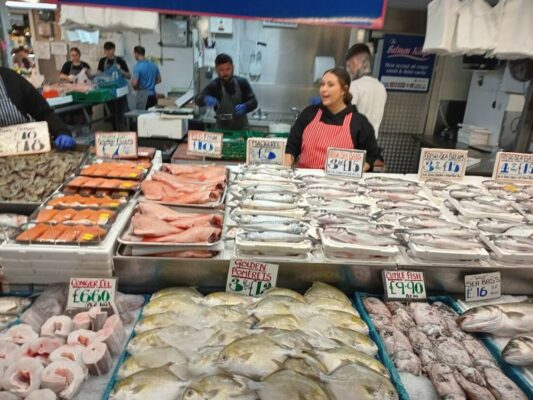
Artwork, testing, vendor setup, samples, documents, inspection and the stock left when the pilot quantity was wrong. The one-off cost of a first import is the programme, and the test is whether container two can be bought again.
What the evidence shows
Protiviti’s client story describes a U.S. retailer building supplier onboarding, customs compliance and nationwide distribution for more than 100,000 parts in under six months, but it is a consultant-authored, self-reported account that names neither the retailer nor a cost. It shows the shape of a capability build, not a seafood margin.
Table of Contents
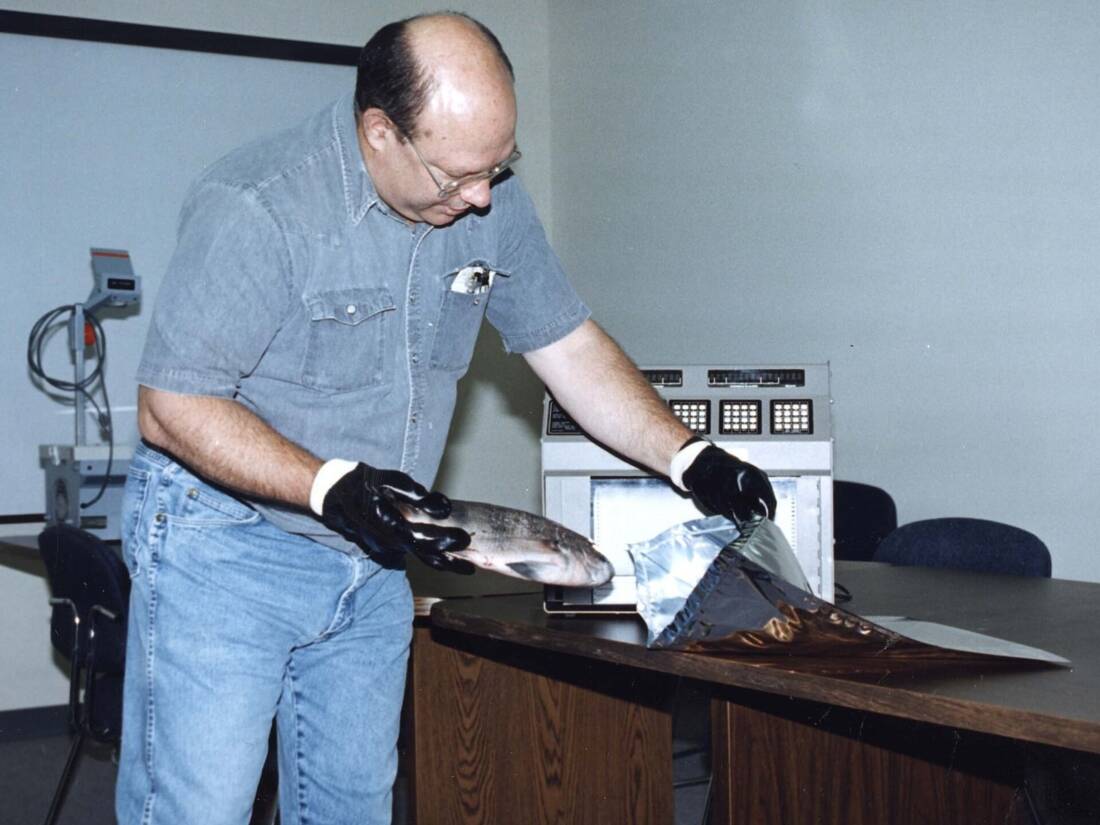
The invoice is the wrong unit
A first container is usually approved on a simple arithmetic: goods, freight and duty. That arithmetic is not wrong. It is incomplete in a way that flatters the decision. The first shipment carries work that will not be repeated: the specification has to be fixed, the supplier approved, the label signed off, the item created, the documents templated, the inspection protocol written.
That is why the first container should be judged as a capability build. The question is not whether the pilot makes a margin. It is whether the second container can be bought at the same unit cost, from the same approved supplier, using the same documents, without repeating the setup. A pilot that cannot be repeated is a sample.
What the first container pays for
Protiviti’s 2018 account of a U.S. retailer makes the scale concrete, though it does not date the project: the company built a global supply chain capability from scratch, overseas suppliers, customs compliance and nationwide distribution, with a six-month deadline. Protiviti split the work into procurement, customs, distribution and systems, and the capability launched in less than six months (Protiviti, 2018). The client is unnamed, the account is consultant-authored and no cost is disclosed: it is self-reported.
The case is not seafood: parts distribution cannot establish frozen-seafood economics. It shows the mechanism, the first shipment is the visible end of four work streams that had to exist before it.
One-off: building the capability
Paid before the goods arrive
- Specification, artwork and label sign-off.
- Product testing and first supplier approval.
- Vendor and item master setup.
- Samples, courier rounds and document templates.
- First inspection and systems configuration.
- Stock left when the pilot quantity was wrong.
Recurring: using it
Paid on every shipment
- Goods, freight, duty and broker fees.
- Cold storage and per-shipment inspection.
- Compliance upkeep and recordkeeping.
- Inventory carrying cost.
Separate the ledger into two columns before approving anything. One-off costs create the capability; recurring costs use it. Mixing them produces a per-kilo number that falls as volume rises and says nothing about whether the programme works.
On the one-off side: specification and artwork; label and claim sign-off; product testing and shelf-life work; supplier approval and first audit; vendor and item master setup; samples and courier rounds; document templates for entry, food safety and traceability; the first inspection; systems configuration; and the stock left when the pilot quantity was wrong. On the recurring side: goods, freight, duty, broker fees, cold storage, per-shipment inspection, compliance upkeep and inventory carrying cost.
Some of these are legal obligations, not overhead. Imported food must be labelled to U.S. requirements, and FDA does not pre-approve labels; the approval is an internal control, not a government certificate (U.S. Food and Drug Administration, 2013). Shrimp is covered by the Seafood Import Monitoring Program’s harvest-to-entry reporting (NOAA Fisheries, 2025). The importer is responsible for ensuring the food is safe, sanitary and correctly labelled (U.S. Food and Drug Administration, 2024).
Those obligations create recurring work. They also create one-off setup: the first label, the first traceability data set, the first broker instruction. A programme that budgets for the duty but not the template is not budgeting for the import.
The sequence that actually happens
Each step can invalidate the previous one. A specification change after artwork approval repeats the label work. A supplier change after item setup repeats the testing and the vendor master.
- Lock the specificationSpecies, origin, size grade, glaze, net weight, pack and claims.
- Approve the supplier and productAudit or questionnaire, samples, testing and corrective actions.
- Sign off artwork and labelRetailer approval, barcode, nutrition, allergen, origin and printer proof.
- Create the vendor and itemInternal codes, MOQ, lead time, case pack and landed-cost fields.
- Build the document setCommercial invoice, packing list, entry, prior notice, HACCP and SIMP records, broker instructions.
- Ship, inspect and reconcileClearance, receipt, net-weight and yield check, variance and container-two fixes.
The first order is often the wrong size. It is too small to meet a factory minimum, too large for the demand that has been proven, or the wrong mix across sizes and packs. The leftover is not a purchasing failure; it is the price of learning the demand curve. The mistake is to hide it inside the cost of goods and then declare the pilot profitable on a unit cost that excluded it.
Protiviti’s retailer handled this by staging. From a list of 110,000 parts, the team chose 13,000 with the highest demand and the least intellectual-property and patent risk. The first tranche went to half of the company’s 16 U.S. markets, then the rest of the markets. At the end, distribution to 11 of the 16 markets was complete, and 99.9% of the products ordered from the new overseas suppliers cleared customs and reached service centres in the initial eight markets (Protiviti, 2018).
Those are self-reported operating figures from a consultant’s client story, not an audited result. The transferable idea is the staging: a narrow first tranche, a limited market set, then expansion. It is the opposite of filling a container with every SKU at once.
| Work stream | What had to be built | What it produces |
|---|---|---|
| Procurement | Supplier due diligence in Asia-Pacific, quality and delivery validation, contracts, letters of credit and purchase orders | Approved suppliers and a prioritised buy list |
| Customs | Tariff classification, required paperwork, freight broker and port choice | An entry that can clear |
| Distribution | 4PL selection, 3PL management, facility specification, staff training and systems integration | A route from port to service centres |
| Systems | Requirements, test scripts, user acceptance, legacy data cleanup and procedures | A system that can run the flow before a permanent platform |
The pilot quantity problem
The pilot is where the demand curve gets tested, and where the one-off cost of being wrong becomes visible. A first order sized to fill a container rather than to prove sell-through leaves stock that has to be stored, marked down or written off. That cost belongs in the pilot decision, not in a later variance report.
The same logic applies to the mix. A container built from every size and pack spreads the learning too widely. Fewer SKUs, fewer markets and one specification make the result easier to read.
The repeatability test
A pilot becomes a programme when container two passes four tests.
- Same specification, same approved supplier, same origin. If any changes, the setup work starts again.
- Same or lower landed cost per kilo on the recurring ledger, with one-off costs reported separately. A second container that needs another artwork round or supplier approval has not passed.
- Reusable documents. The entry template, food-safety file, traceability data set and broker instructions should need no new fields.
- Sell-through supports the next order without a markdown that erases the margin. If container one is only cleared by discounting, container two is a bigger bet on the same forecast.
If all four pass, the one-off cost has bought a repeatable capability and can be treated as an investment in the programme. If any fail, the pilot is a sample. Stop, fix the failing step, and buy the second container as a second pilot.
What this does not show
No cost amounts are given here because we found no public source that discloses them for a comparable seafood programme. The Protiviti case is self-reported, anonymised, non-food and does not disclose a budget, a saving or a per-unit cost. This article therefore makes no break-even claim and no payback claim, and it does not amortise one-off costs into a landed-cost figure.
What to do next
- Open a one-off ledger before the first purchase order. Track setup hours, samples, testing, artwork rounds, systems work and the markdown on leftover stock; keep it separate from the shipment P&L.
- Set the pilot quantity from sell-through and MOQ, and write the exit plan for the tail. The leftover is a planned cost, not a surprise.
- Define the container-two test before container one ships. Name the four tests, the owner and the evidence. If the answer is no, the pilot stays a sample.
The first container shows whether a retailer can import, not how much it can save. The second container is where the programme begins.
Before the first container
Planning a first container? Ecosea can help build the specification, the sample and the quality file before the purchase order, so the pilot tests a product, not a guess.
References
- NOAA Fisheries. (2025, May 30). Seafood Import Monitoring Program. https://www.fisheries.noaa.gov/international/international-affairs/seafood-import-monitoring-program
- Protiviti. (2018, July 12). U.S. retailer launches global supply chain capability in record time. https://www.protiviti.com/us-en/client-story/us-retailer-launches-global-supply-chain-capability-in-record-time
- U.S. Food and Drug Administration. (2013, January). Guidance for industry: A food labeling guide. https://www.fda.gov/regulatory-information/search-fda-guidance-documents/guidance-industry-food-labeling-guide
- U.S. Food and Drug Administration. (2024, November 12). Importing food products into the United States. https://www.fda.gov/food/food-imports-exports/importing-food-products-united-states
- U.S. Food and Drug Administration. (2026, October 5). Prior notice of imported foods. https://www.fda.gov/industry/fda-import-process/prior-notice-imported-foods