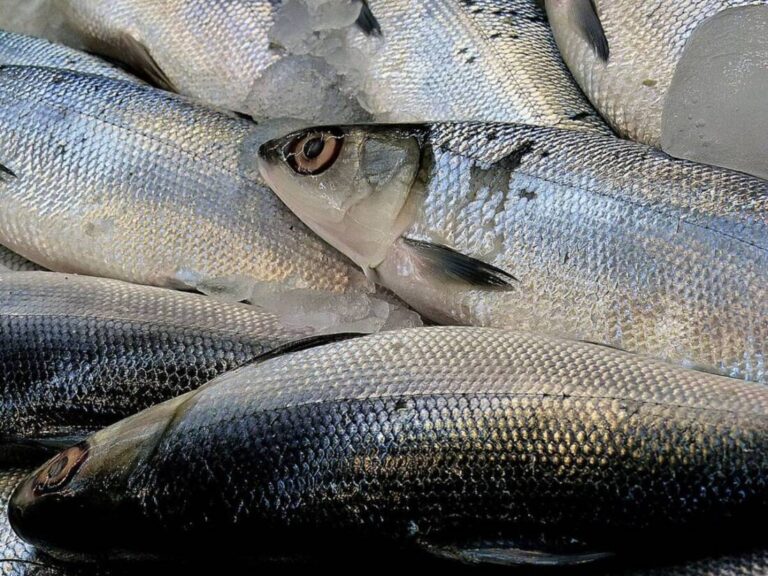
Before You Ask Who, Write Down What
The first useful question about Vietnam is not which supplier is good. It is what you are buying, how it has to be processed, who carries which risk, and what you will accept as proof.

Evaluate sourcing options and connect customer requirements with product and production capabilities.
The first useful question about Vietnam is not which supplier is good. It is what you are buying, how it has to be processed, who carries which risk, and what you will accept as proof.
A quote is a price for a specification, not for a species. Normalise the basis before anyone divides one number by another.
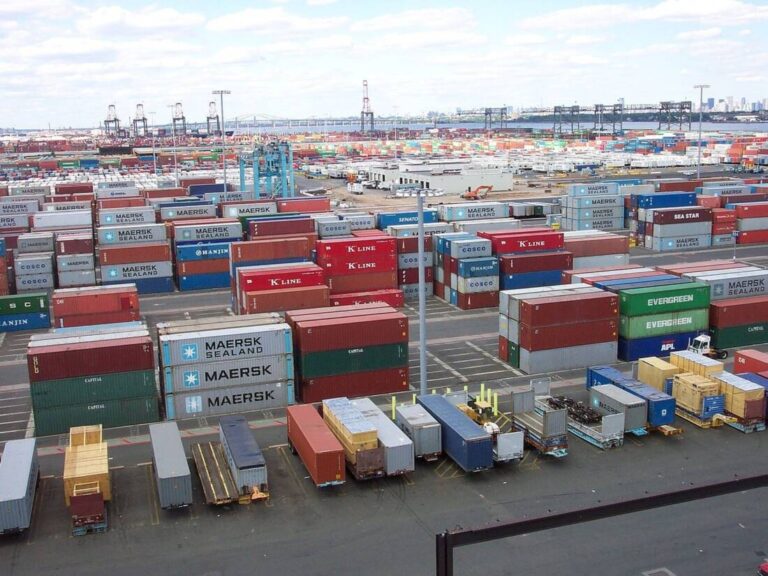
Three models put the entry file, the verification record, the bond and the liability in different hands. Choose the model before the Incoterm, and before anyone quotes a price.
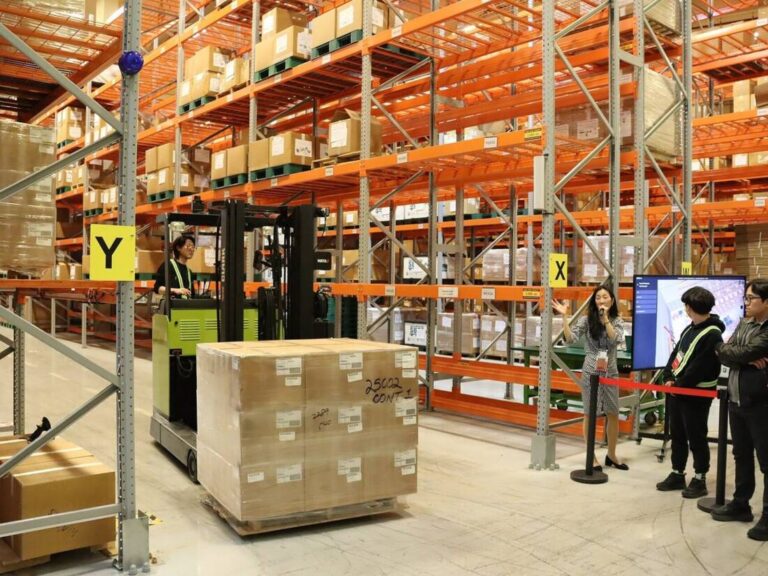
Walmart publishes three components a direct programme needs: a sourcing organisation, a food-safety gate and supplier standards. It does not publish a RACI, so the retailer has to write one, and sign it.
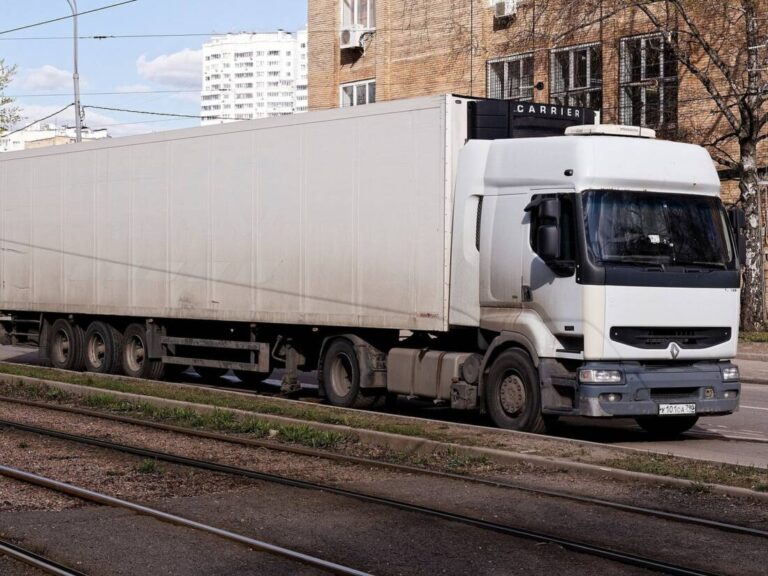
Two order cycles, five measures and pass/fail rules agreed before the first purchase order. Protiviti's retailer shows how much sequence a capability build needs, and why a pilot is not a small container.
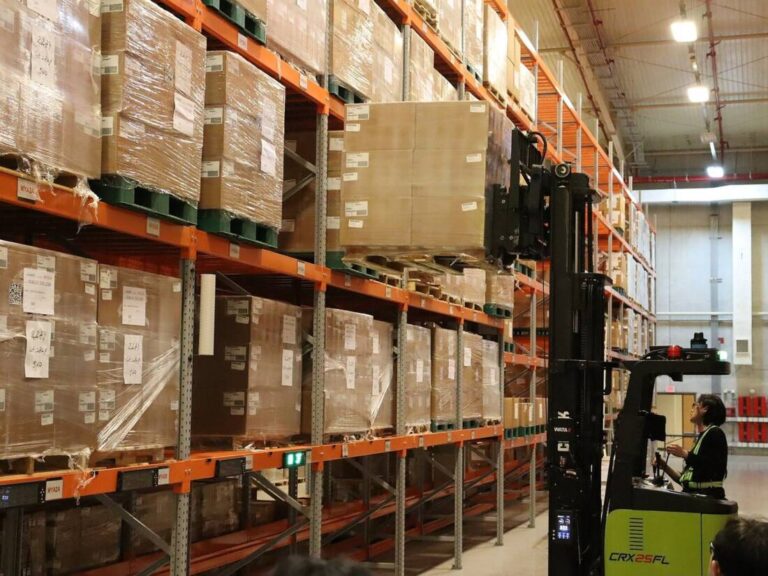
The importer's margin is not only a service fee. It pays for the right to be wrong, and when the importer leaves, the forecast error, the slow movers and the markdown stay with the buyer.
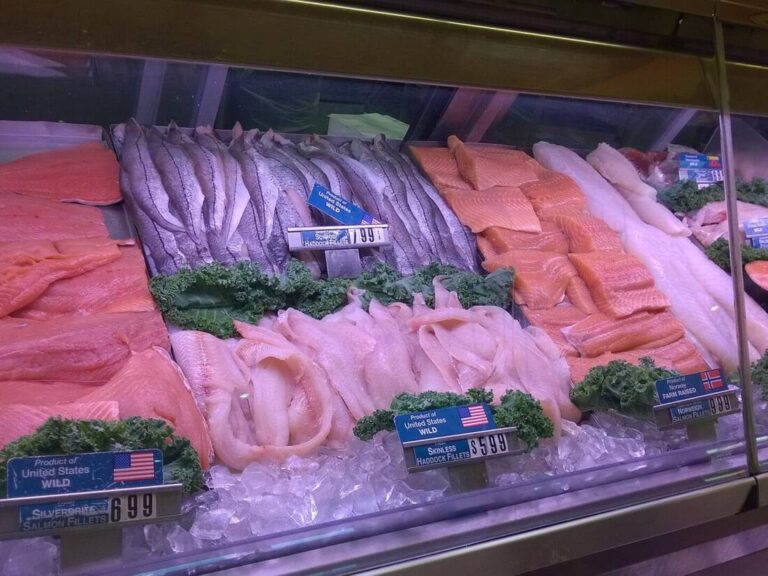
Direct sourcing is argued at category level and decided at SKU level. Volume and demand volatility sort a seafood range into four buying models, and the volatile tail is where the distributor earns its fee.
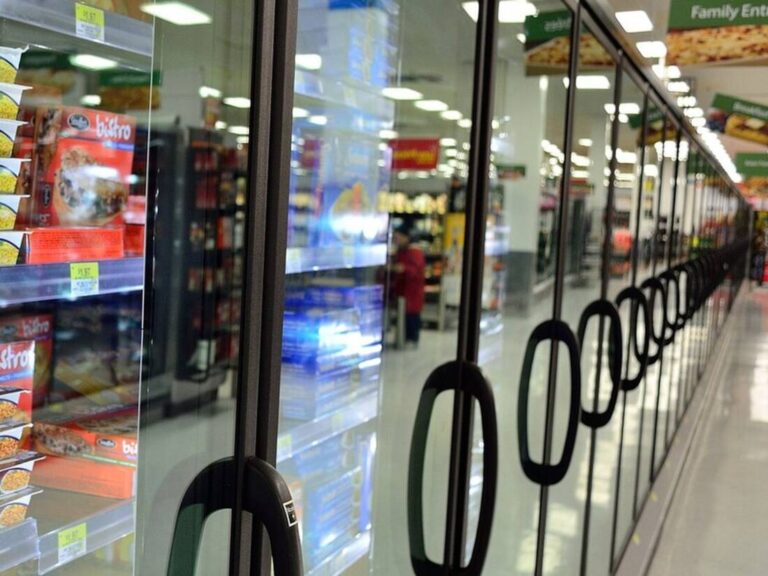
Direct buying moves two of the three terms in the cash cycle, for three reasons. Compare contribution per kilo after the days are paid for, not the price at the port.
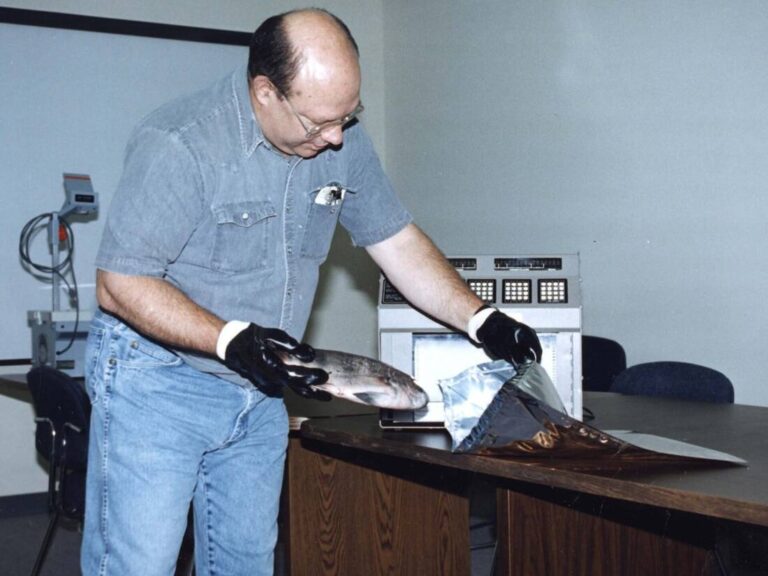
Artwork, testing, vendor setup, samples, documents, inspection and the stock left when the pilot quantity was wrong. The one-off cost of a first import is the programme, and the test is whether container two can be bought again.
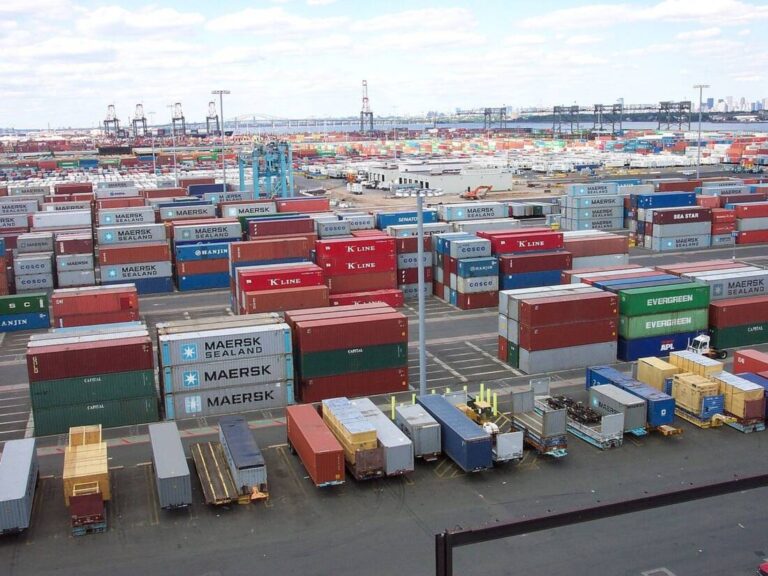
Costco's filing describes a model built on fewer than 4,000 items per warehouse and case quantities. For everyone else the test is physical: a container, a production run and a stock-cover cycle have to fill at the same time.
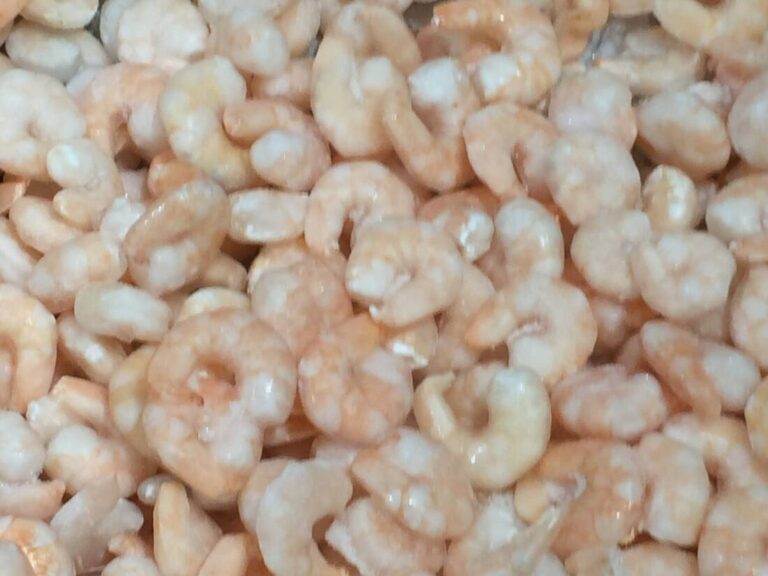
Six gates still stand between a brief and a shelf-ready SKU. Costco's own account of Kirkland Signature shows how far inside development a buyer can sit; the sequence below is Ecosea's model, not Costco's published process.
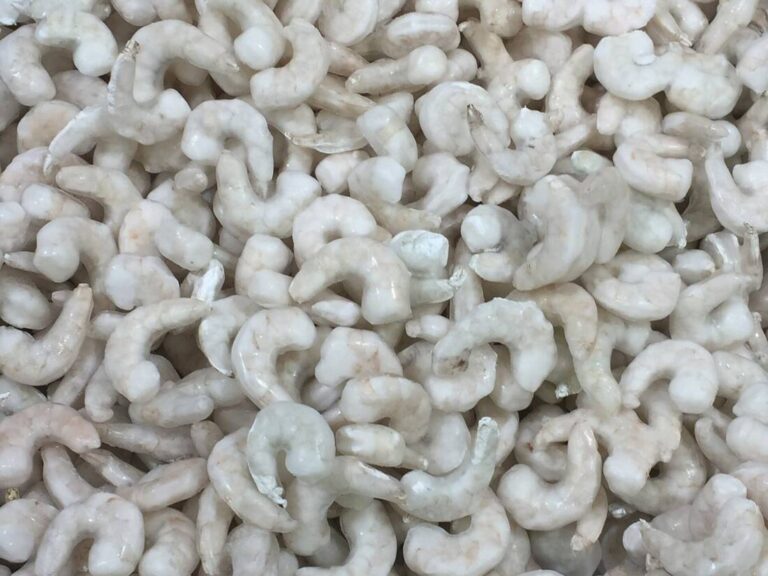
The European Commission's market observatory measured both ends of a frozen seafood chain and could not obtain the costs in between. That gap is why a concession has to be tested driver by driver, against a specification that does not move.
ECOSEA