Before You Ask Who, Write Down What
The first useful question about Vietnam is not which supplier is good. It is what you are buying, how it has to be processed, who carries which risk, and what you will accept as proof.

Practical insights on seafood product development, sourcing and export markets—for buyers, brands and manufacturers.
English-language resources. For Vietnamese resources, choose the manufacturers’ library below.
Product development, private label and category opportunities.
Supplier evaluation, sourcing and portfolio development.
Thị trường xuất khẩu, yêu cầu người mua và phát triển sản phẩm.
The first useful question about Vietnam is not which supplier is good. It is what you are buying, how it has to be processed, who carries which risk, and what you will accept as proof.
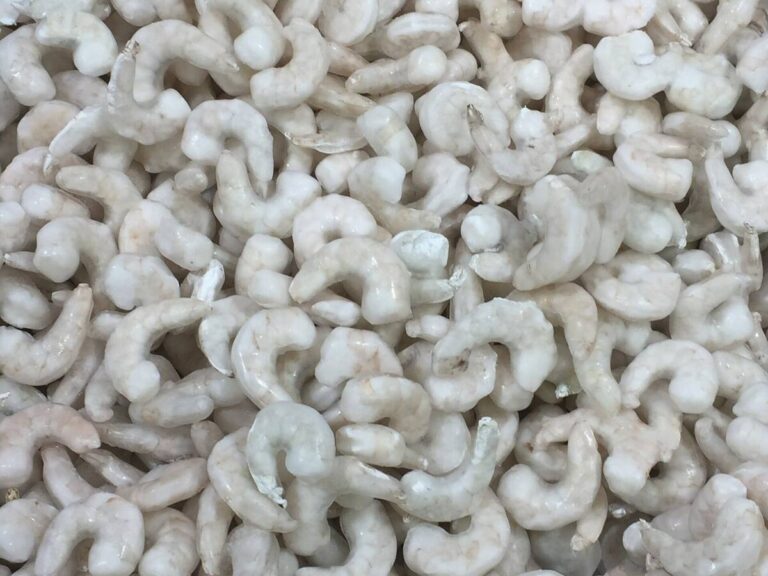
Tempura, panko and coconut are three different products, not three words for crunchy. The format decides the occasion, the cooking method, the allergen set and which factory can make it, so it is chosen before the recipe is written.
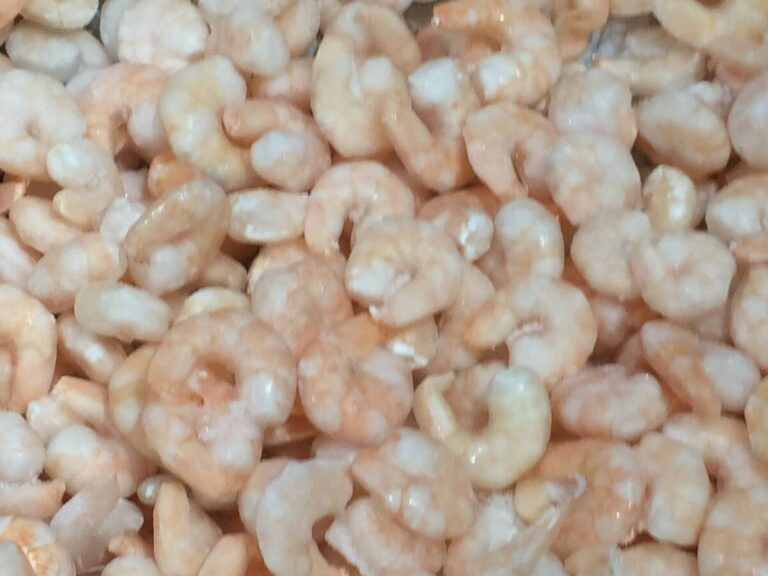
An approved sample proves what a line can do on a good day. The first commercial run is what happens on a normal one. Seven things have to be fixed in writing, each with one signatory.
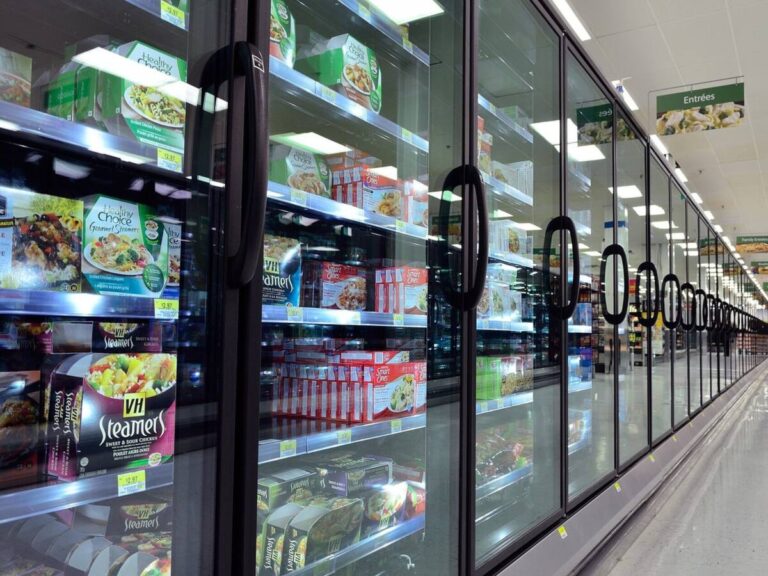
Four tests decide whether an extension adds something or splits something. They are diagnostic, not a score, and the hardest case is the one where the category grows while the new SKU only moves volume sideways.
A flavour, a pack size or a price point is a reason to brief something. The role is what the SKU is for, and it decides the pack, the price position, the space and the number you will judge it by.
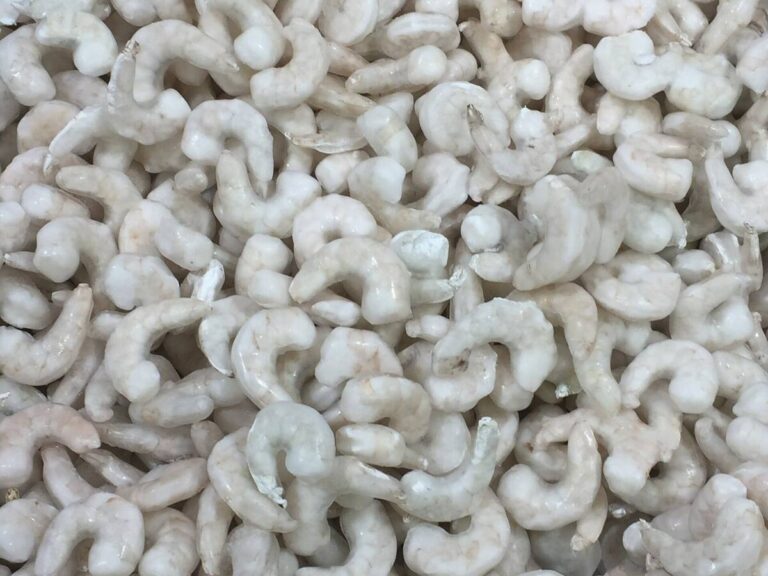
Most sampling programmes fail twice: once because the brief asked for the wrong product, and once because nobody wrote down which failure it was. A one-page record and a version number turn the next round into evidence.
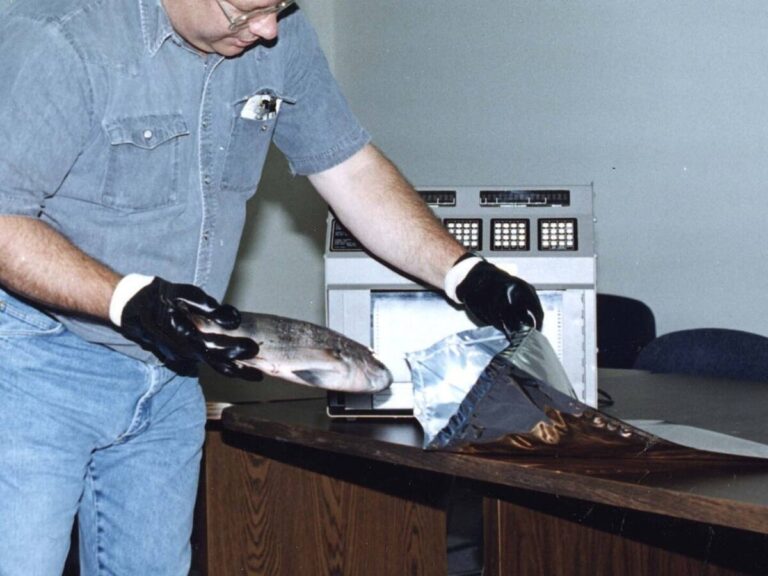
The format question comes after the market and channel question. Fingers, coated fillets and flavoured fillets ask for different lines, different fish grades and different pack promises, and the shelf you are entering decides which one is credible.
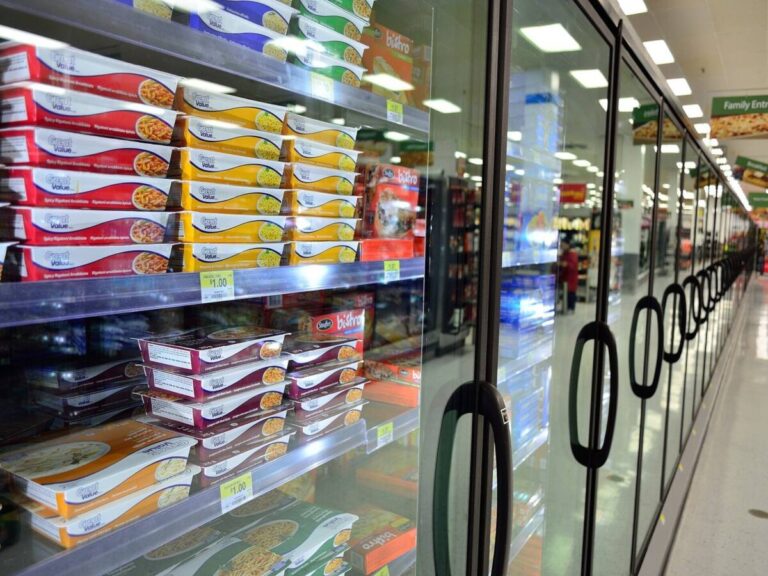
Five pack sizes of one named product, read at Morrisons on 1 November 2026. Price per kilo falls by 46% from the smallest to the largest, and the recipe changes three times on the way, so the accessible price and the cheap price are not the same decision.

Every ingredient in a coated seafood product is doing a job. Take one out and you have changed the product, the process and possibly the label declaration. The retest plan should be approved before the shorter list is.
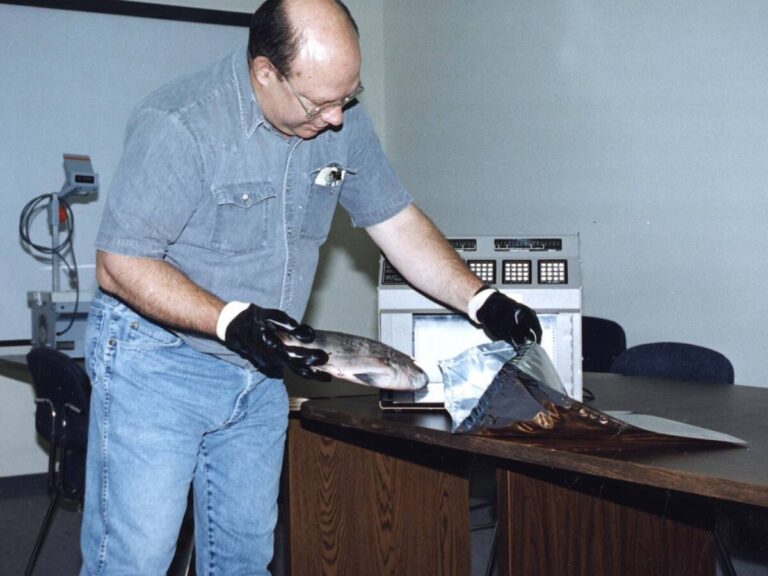
Factories build towards what a brief measures. If it measures nothing, the sample arrives in the direction of the factory's convenience, and the next round is a guess.
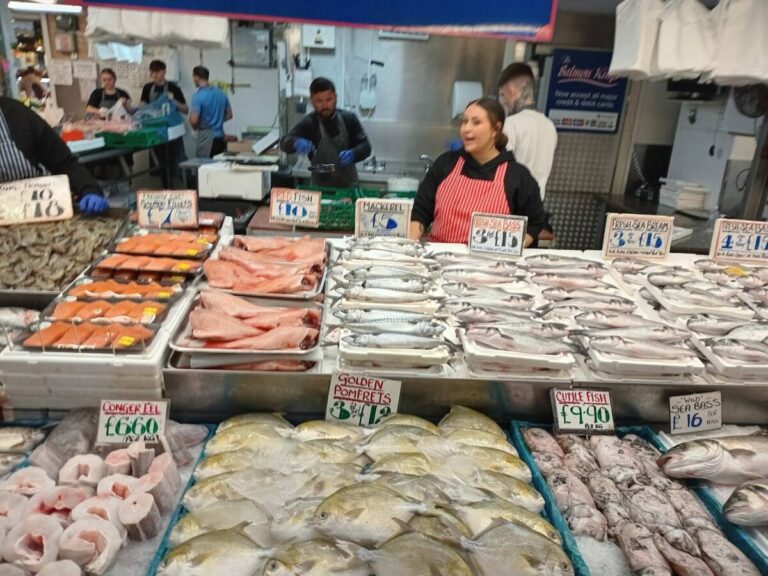
A sauce is a second product inside the pack. Whether it belongs there is settled by four questions, flavour fit, fish per portion, cooking workflow and pack cost, and each answer names a different format.
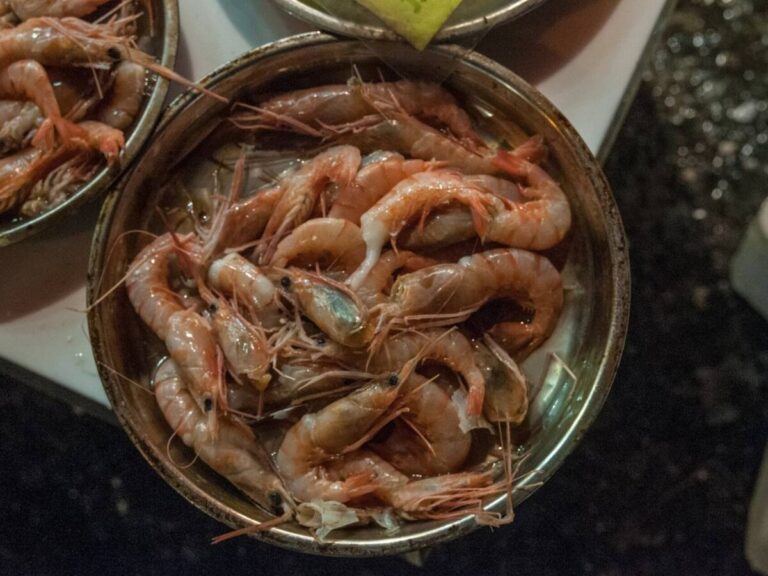
A factory, an ingredient supplier and a development partner each hold a different part of the same product. The buyer holds the part none of them can sign.
ECOSEA