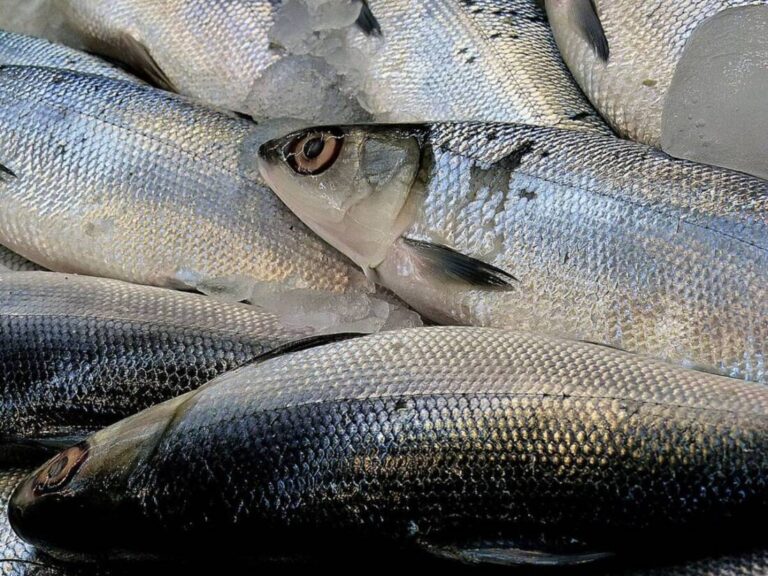
Before You Ask Who, Write Down What
The first useful question about Vietnam is not which supplier is good. It is what you are buying, how it has to be processed, who carries which risk, and what you will accept as proof.

Practical insights on seafood product development, sourcing and export markets—for buyers, brands and manufacturers.
English-language resources. For Vietnamese resources, choose the manufacturers’ library below.
Product development, private label and category opportunities.
Supplier evaluation, sourcing and portfolio development.
Thị trường xuất khẩu, yêu cầu người mua và phát triển sản phẩm.
The first useful question about Vietnam is not which supplier is good. It is what you are buying, how it has to be processed, who carries which risk, and what you will accept as proof.
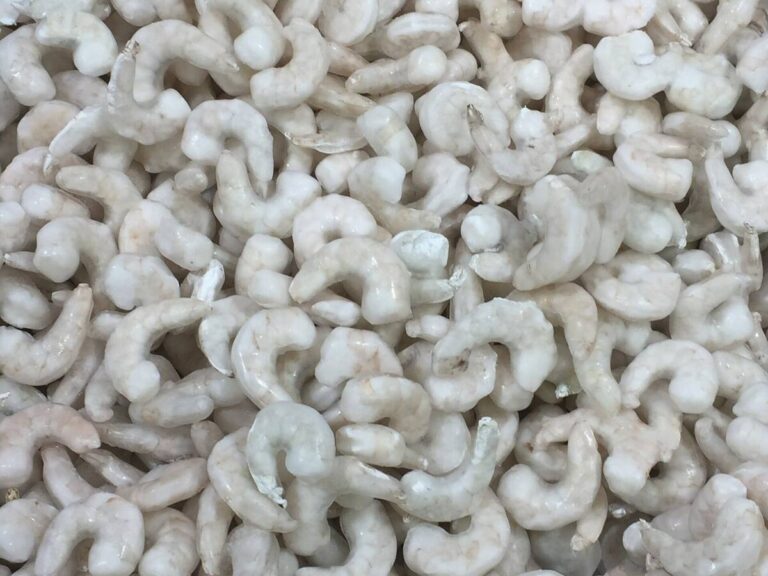
Tempura, panko and coconut are three different products, not three words for crunchy. The format decides the occasion, the cooking method, the allergen set and which factory can make it, so it is chosen before the recipe is written.
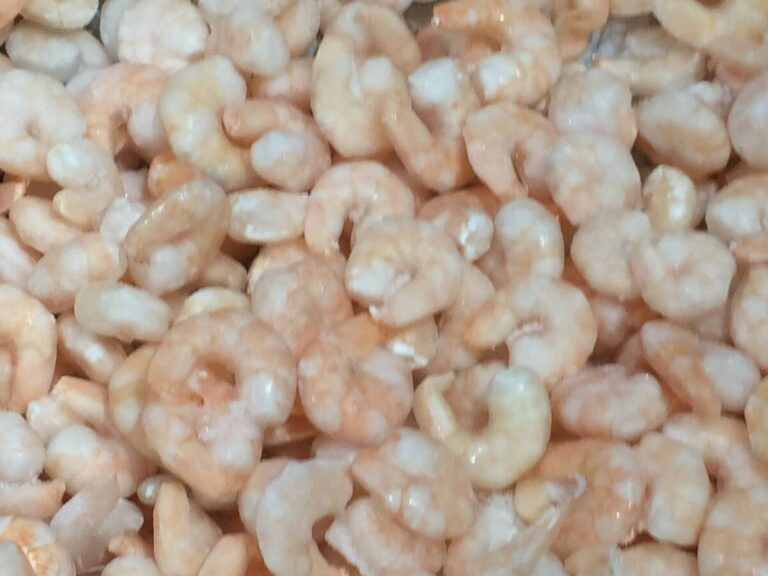
An approved sample proves what a line can do on a good day. The first commercial run is what happens on a normal one. Seven things have to be fixed in writing, each with one signatory.
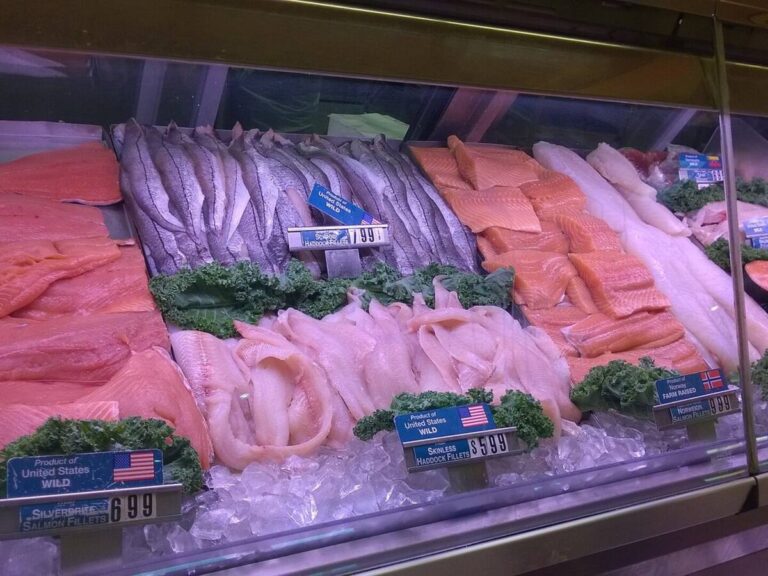
A tier ladder is a set of differences, not a set of prices. Across six own-brand fish-finger rungs read at Morrisons on 1 November 2026, the price per kilo rises 3.7-fold, and the top two rungs declare less fish than the core one.
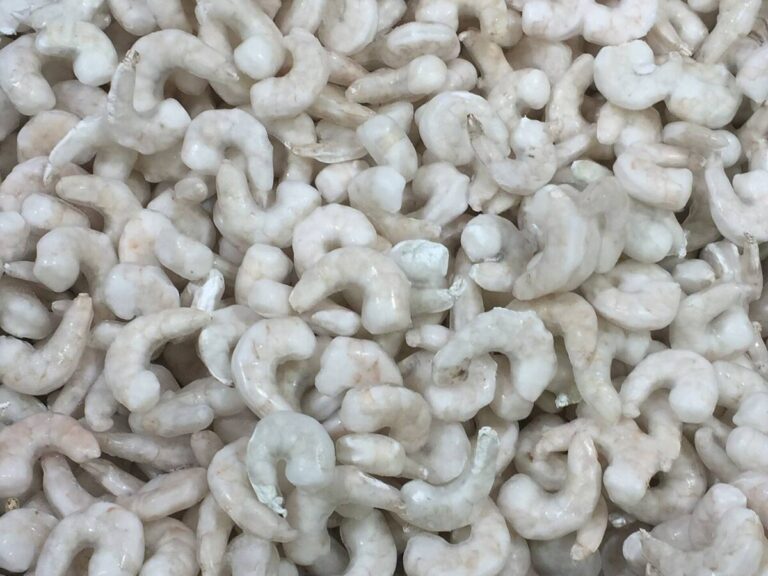
Four Gorton's pages, opened on 1 November 2026, document the ingredient cascade, the cooking method and the claims. They imply the pack weight by arithmetic. They disclose no coating pickup, no glaze and no price, and the gap between those three is the brief.
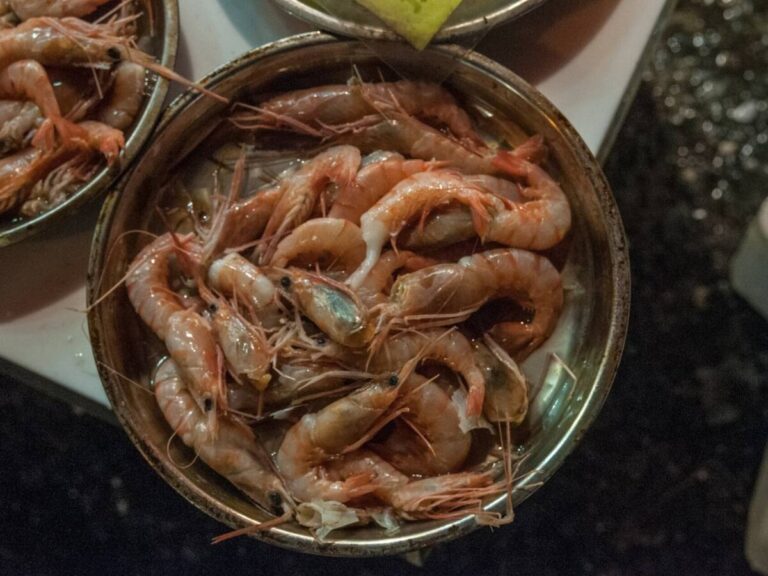
Walmart's seafood policy asks suppliers to disclose every facility and open it to audit. US entry rules ask for the harvest event, the landing and every change of custody. Between those two asks sits a data model that most suppliers have never been asked to fill.
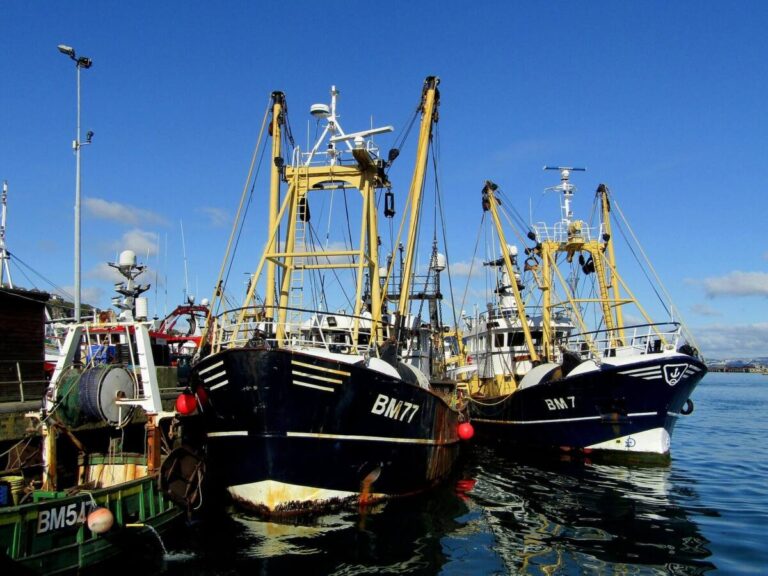
Consolidation buys price and control; diversification buys recovery. The decision belongs at line level, where the cost of a stock-out can be estimated.
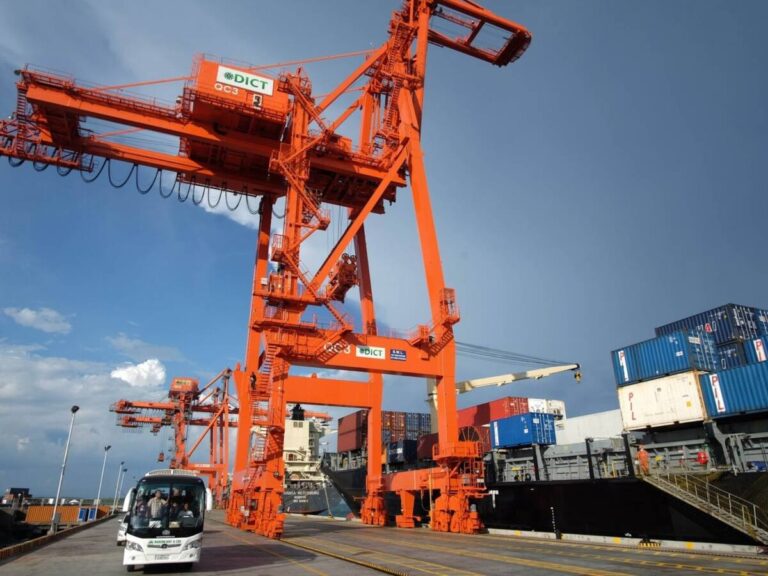
The difference is not the size of the fee. It is whether the fee is separable, whether you can reach the factory, who owns the specification and who owns the data, four questions that can be written into an agreement.
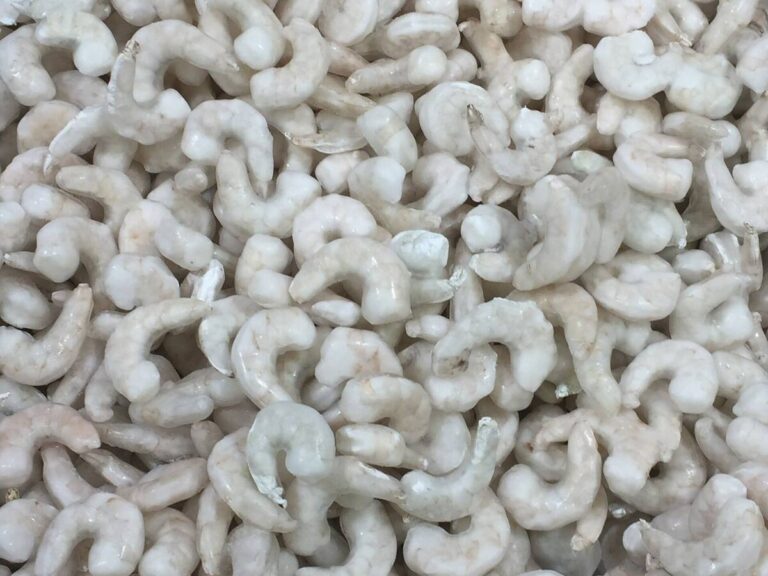
A trader's sheet records what was bought. A retailer's specification defines what any qualified factory must be able to make. The difference is not length; it is whether every clause has a method.

A retailer buying direct inherits four decisions the importer used to make: the approved sample, the site audit, the signed deviation and the rejected container. Tesco's own account of its audit model shows the shape of that work. It does not show what the work costs.
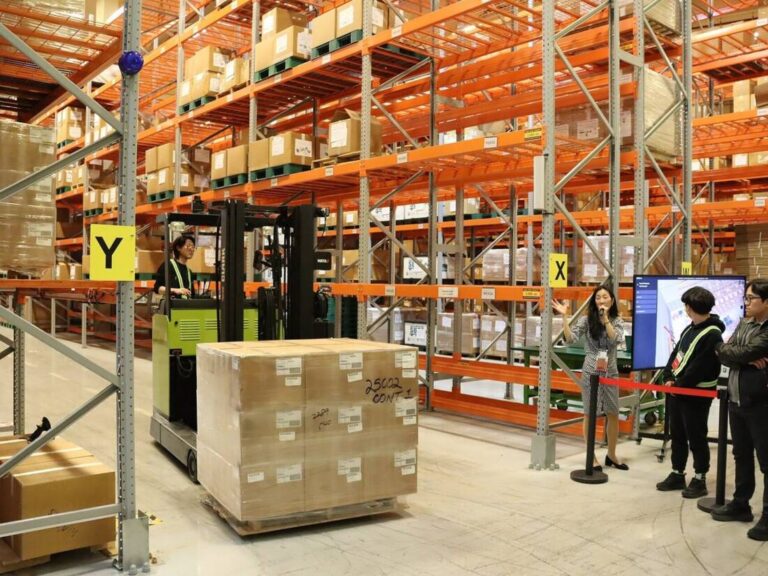
Walmart publishes three components a direct programme needs: a sourcing organisation, a food-safety gate and supplier standards. It does not publish a RACI, so the retailer has to write one, and sign it.
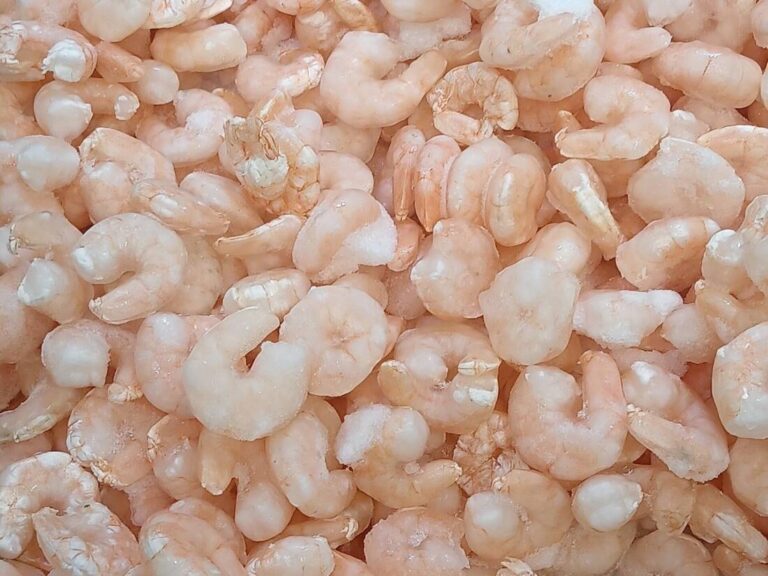
Costco describes Kirkland Signature as lower-priced than national brands. Its own disclosures describe the part that is harder to copy: a buyer with direct insight into the supply chain, a specification it can change, and data on how the product was made. The price is the visible part.
ECOSEA