Before You Ask Who, Write Down What
The first useful question about Vietnam is not which supplier is good. It is what you are buying, how it has to be processed, who carries which risk, and what you will accept as proof.

Practical insights on seafood product development, sourcing and export markets—for buyers, brands and manufacturers.
English-language resources. For Vietnamese resources, choose the manufacturers’ library below.
Product development, private label and category opportunities.
Supplier evaluation, sourcing and portfolio development.
Thị trường xuất khẩu, yêu cầu người mua và phát triển sản phẩm.
The first useful question about Vietnam is not which supplier is good. It is what you are buying, how it has to be processed, who carries which risk, and what you will accept as proof.
Tempura, panko and coconut are three different products, not three words for crunchy. The format decides the occasion, the cooking method, the allergen set and which factory can make it, so it is chosen before the recipe is written.
An approved sample proves what a line can do on a good day. The first commercial run is what happens on a normal one. Seven things have to be fixed in writing, each with one signatory.
Two order cycles, five measures and pass/fail rules agreed before the first purchase order. Protiviti's retailer shows how much sequence a capability build needs, and why a pilot is not a small container.
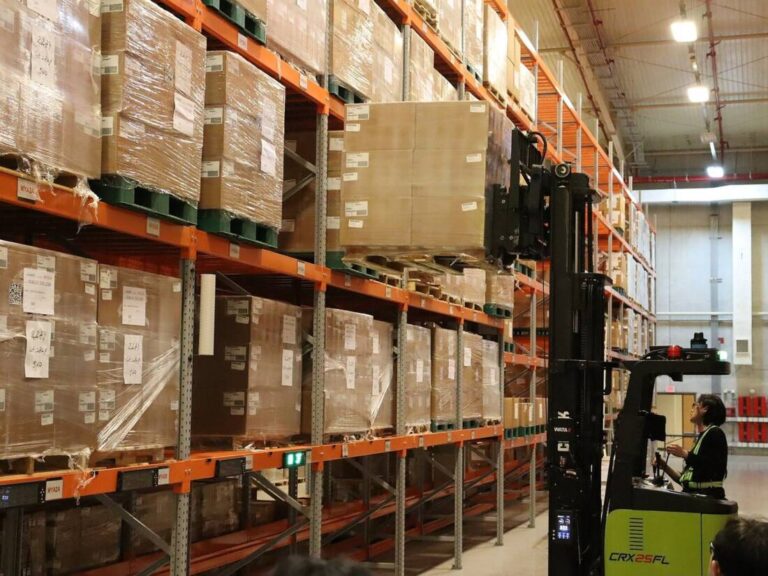
The importer's margin is not only a service fee. It pays for the right to be wrong, and when the importer leaves, the forecast error, the slow movers and the markdown stay with the buyer.
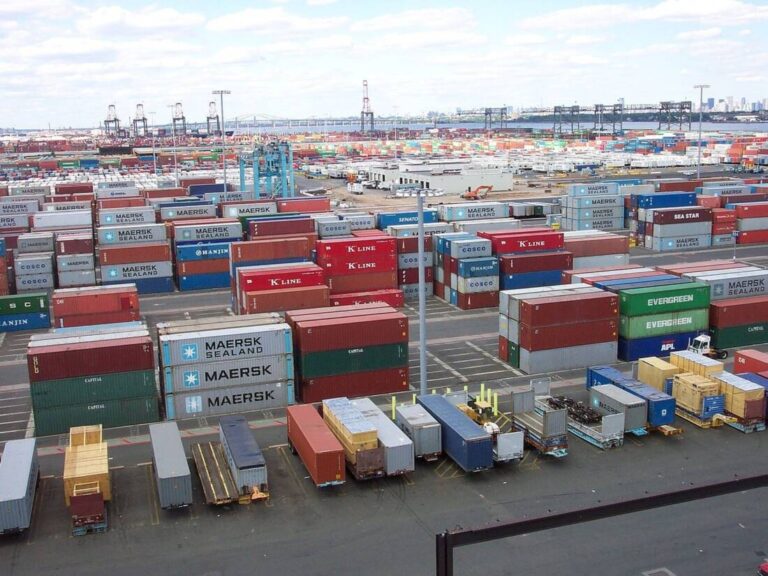
Three models put the entry file, the verification record, the bond and the liability in different hands. Choose the model before the Incoterm, and before anyone quotes a price.
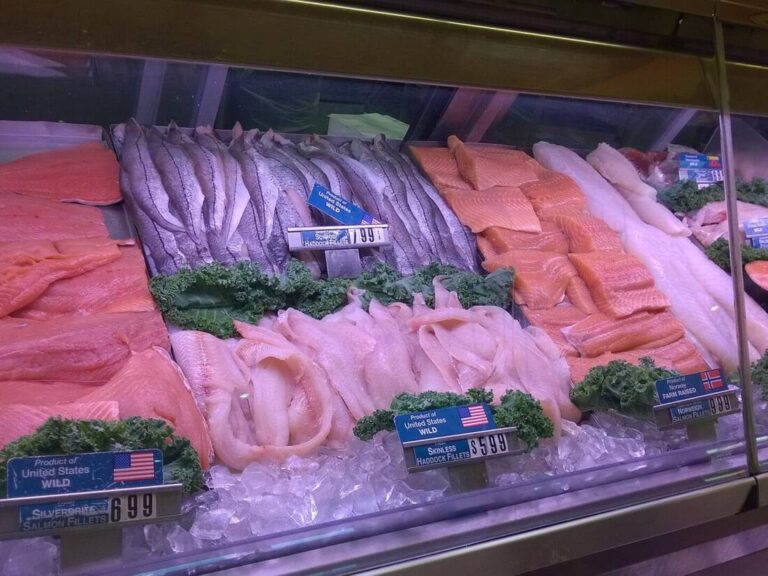
Direct sourcing is argued at category level and decided at SKU level. Volume and demand volatility sort a seafood range into four buying models, and the volatile tail is where the distributor earns its fee.
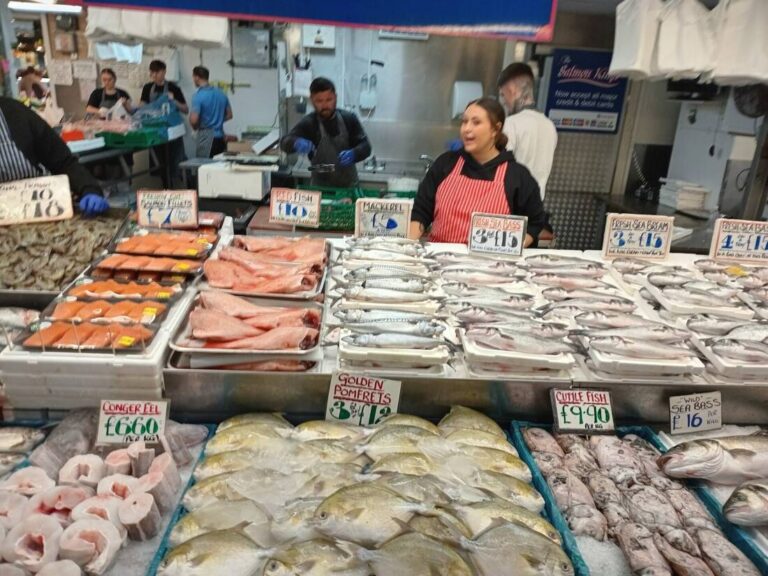
Ireland's published Tesco case study records audits before supply, annual audits in high-risk countries and a grievance line for first-tier workers. It is the company's own account, and it shows process, not outcomes.
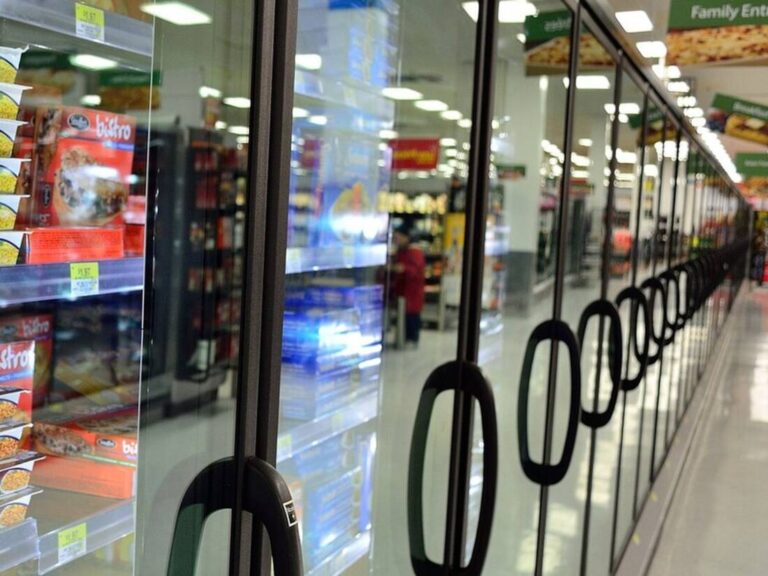
Direct buying moves two of the three terms in the cash cycle, for three reasons. Compare contribution per kilo after the days are paid for, not the price at the port.
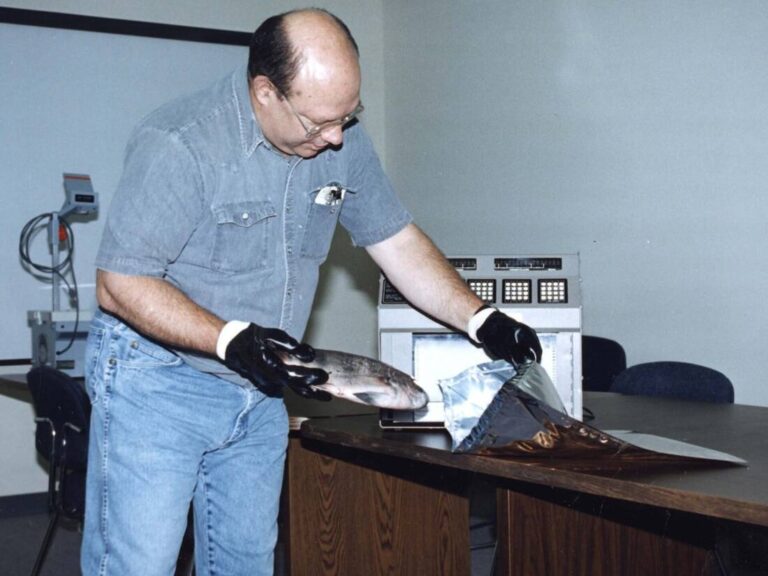
Artwork, testing, vendor setup, samples, documents, inspection and the stock left when the pilot quantity was wrong. The one-off cost of a first import is the programme, and the test is whether container two can be bought again.
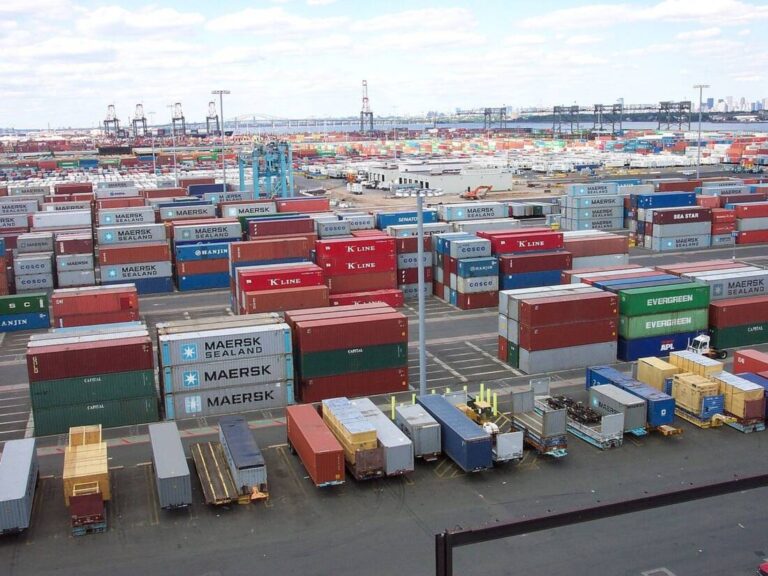
Costco's filing describes a model built on fewer than 4,000 items per warehouse and case quantities. For everyone else the test is physical: a container, a production run and a stock-cover cycle have to fill at the same time.
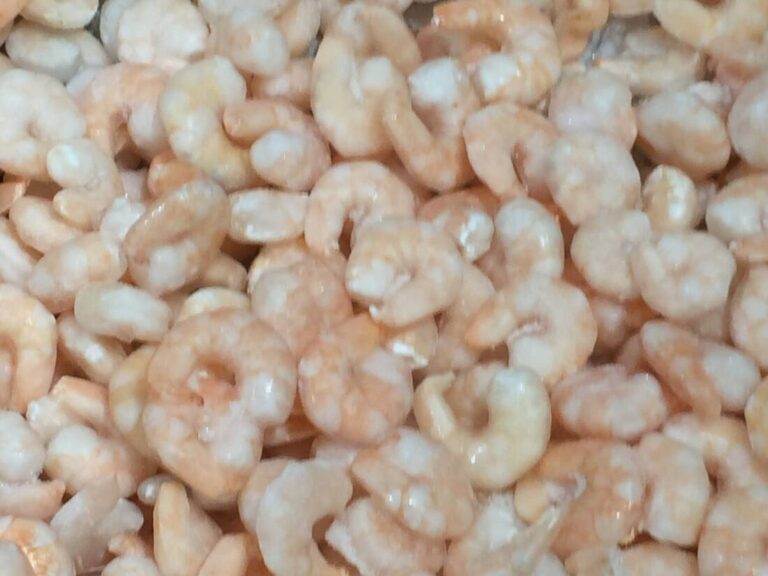
Six gates still stand between a brief and a shelf-ready SKU. Costco's own account of Kirkland Signature shows how far inside development a buyer can sit; the sequence below is Ecosea's model, not Costco's published process.
ECOSEA